The Michigan Community Climate Action Fellowship is giving six University of Michigan-Flint students a new opportunity to turn their interest in sustainability and environmental justice into hands-on experience with community partners across the state.
Launched this year and coordinated by the U‑M Graham Sustainability Institute in partnership with the Michigan Climate Action Network, M-CCAF connects undergraduate students from the Ann Arbor, Dearborn and Flint campuses with grassroots organizations working on climate and environmental justice issues in Michigan communities.
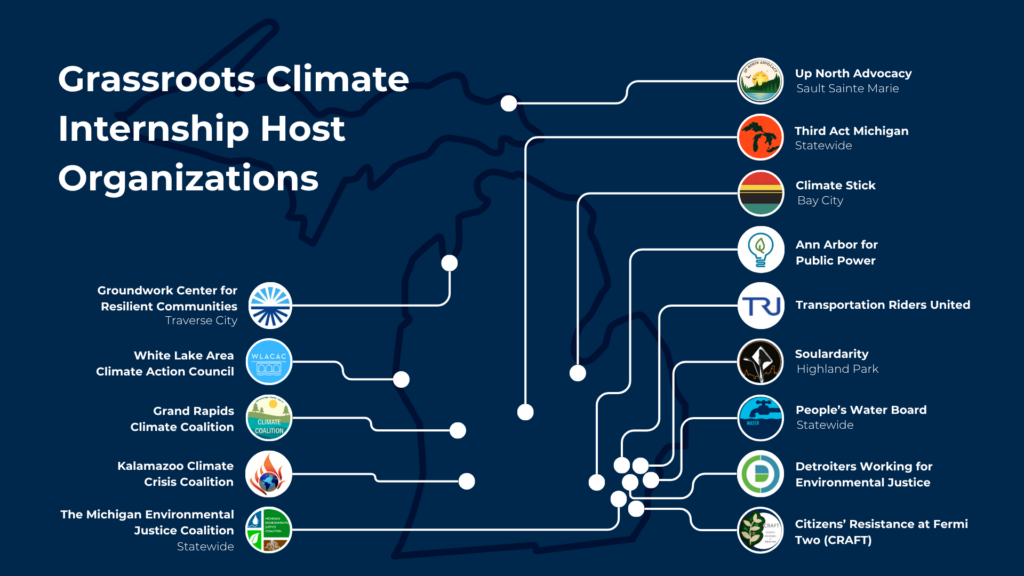
The graphic above maps the MiCAN partner organizations where M-CCAF students are placed.
Fellowship links campuses and communities
Through the fellowship, students complete paid summer placements with MiCAN partner organizations, contributing to projects such as local climate action plans, resilience initiatives and environmental justice efforts. Alongside their internships, fellows participate in weekly workshops that build climate literacy, professional skills and community engagement experience, helping them explore the intersection of science, policy and organizing.
The fellowship is part of a long-term effort to develop climate-literate, action-ready graduates while strengthening partnerships across Michigan. The pilot cohort of 27 students participates in an experience that includes winter and fall mini-courses, faculty mentorship, cohort gatherings, and convening at the annual MiCAN Summit, where they connect with climate leaders from across the state.
The program is open to undergraduates at all three U-M campuses. Jazlynne Cathey, UM-Flint sustainability coordinator, said the fellowship is a natural extension of the university’s Planet Blue Ambassador program, a tri-campus organization that trains, promotes and connects students with environmental and sustainability initiatives and programs.
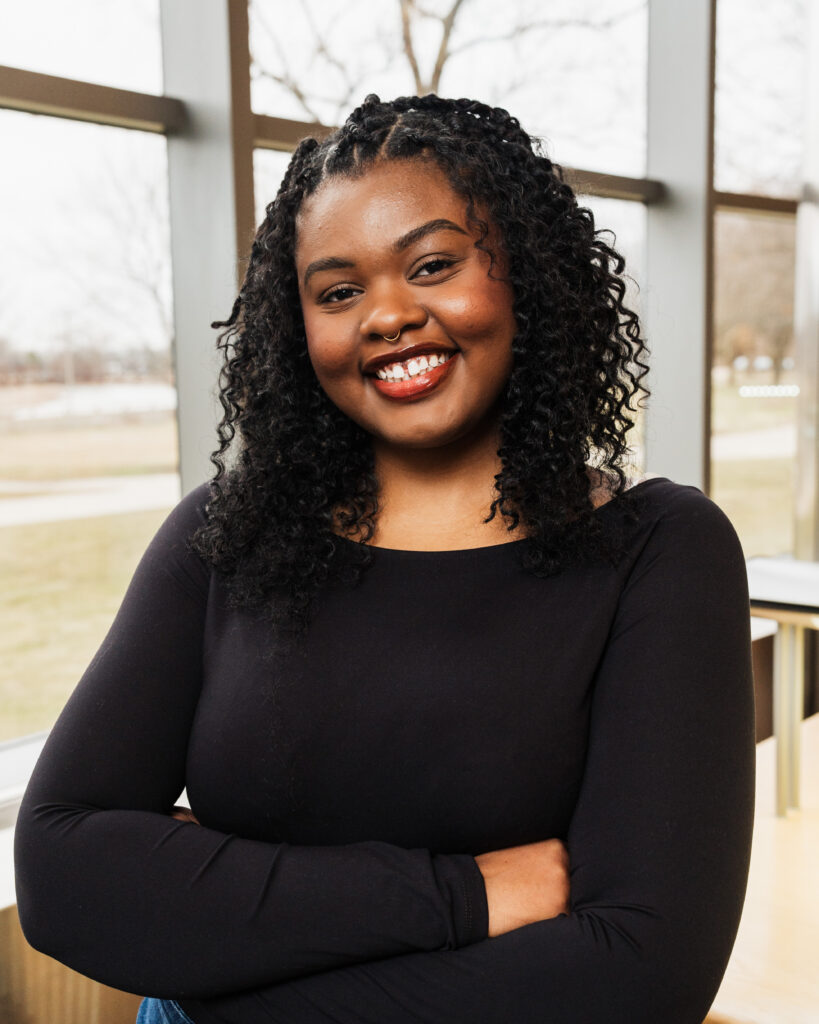
“I often call the Planet Blue Ambassador program the entry point to sustainability on Flint’s campus, and it rings true here,” Cathey said. “Students involved in the program already have personal and professional interests in sustainability, so they are looking for these intersections. The fellowship exemplifies how those intersections can lead to creative solutions.”
Cathey added that seeing UM-Flint students work with community partners throughout the state on climate and environmental justice projects is especially meaningful. “It is validating to see that students are interested in being an active part of climate action and making sure these sustainable solutions are equitable,” she said. “Seeing students wanting to work with these communities and advocate for solutions that are community-centered makes the work that I do worth it.”
UM-Flint students in the inaugural cohort
The inaugural cohort is comprised of six UM-Flint students representing a range of majors, class standings and host organizations.
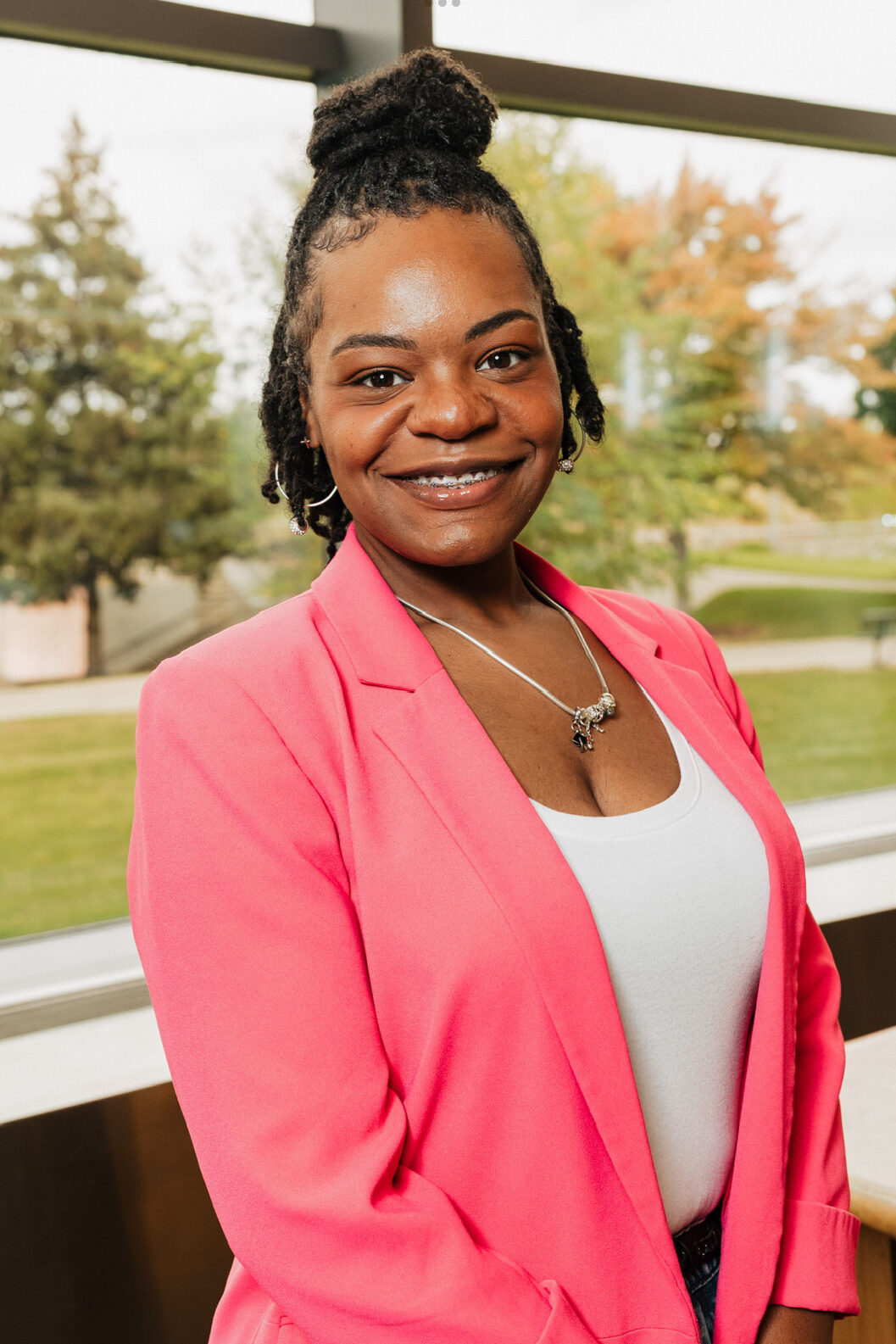
Sharnell Johnson, a junior social work major from Genesee County, is placed with the Michigan Environmental Justice Coalition. “I hope to learn networking skills while also advocating for climate change in local communities to create a meaningful impact for generations to come,” she said.
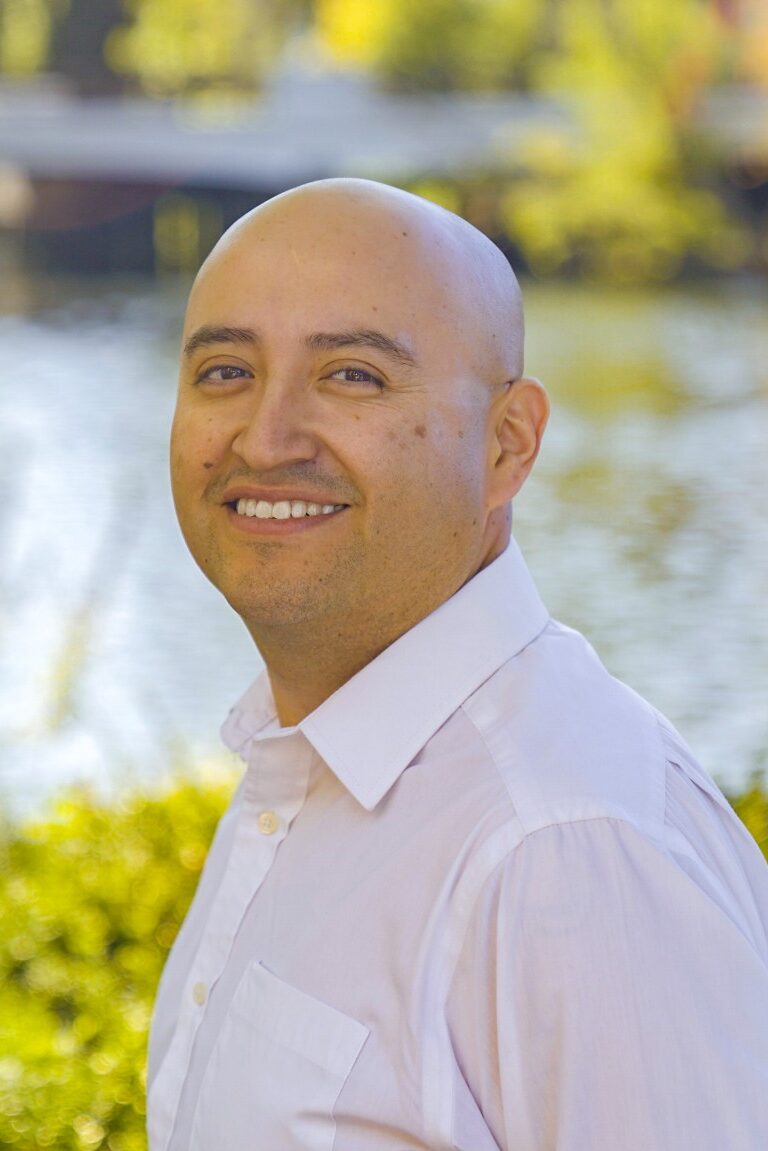
Jorge Cruz, a senior interdisciplinary studies major originally from Mexico City and now residing in Traverse City, is working with the Groundwork Center for Resilient Communities. Cruz said that when the fellowship announcement arrived by email, “I knew it would help me make meaningful contributions in the climate action space. Even though I am an online student and traveling to campus for events is challenging, I try to participate in local climate initiatives to make a positive impact.
“The fellowship program is a pilot program and I feel it is up to us students to make a path and leave a blueprint for younger students wanting to create positive climate solutions.” He added that being selected as a fellow is “a humbling honor” and that his goal is to be an important asset to the host organization.
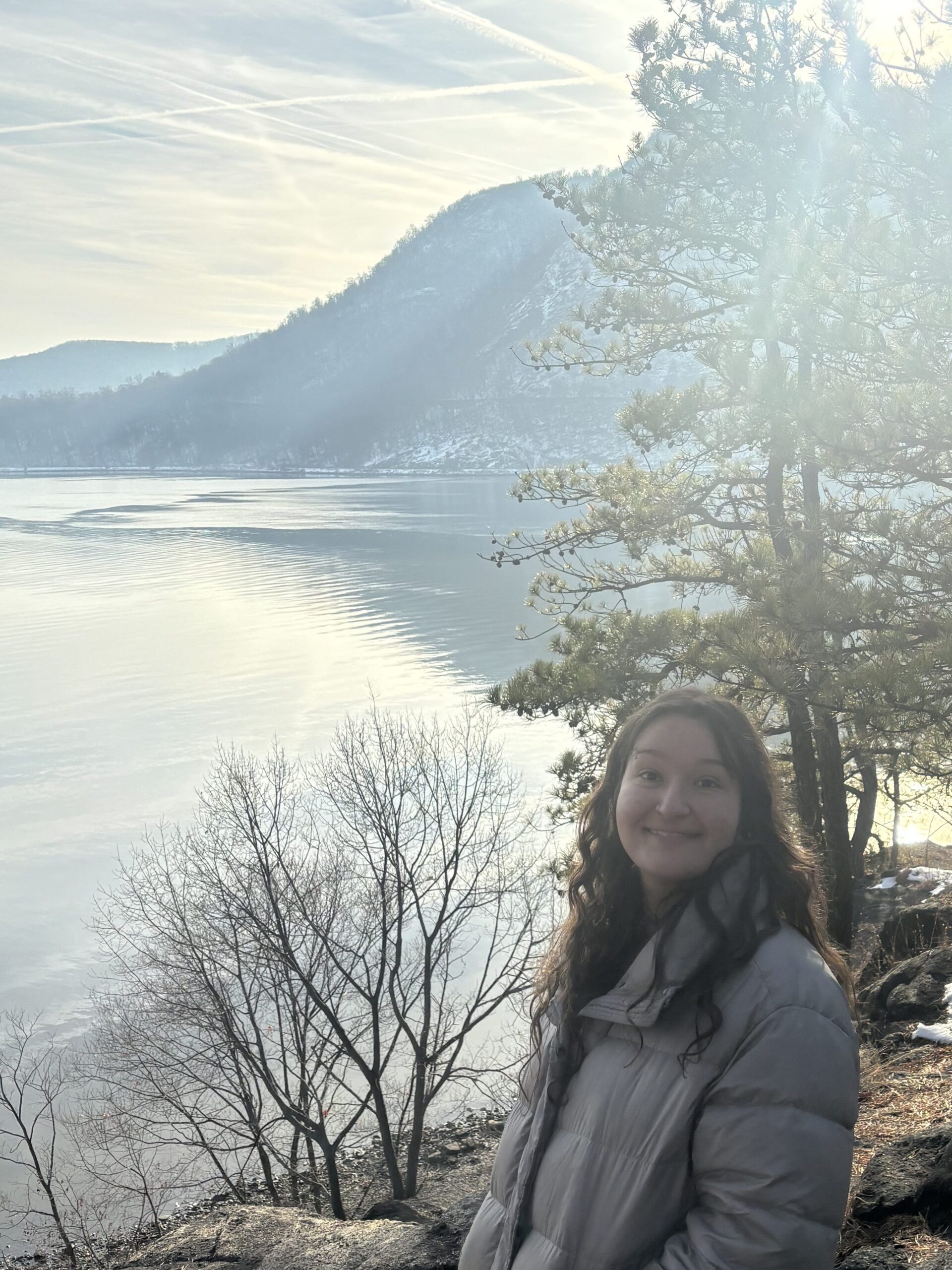
Anna Bakhador, a senior wildlife biology major from Grand Blanc, will complete her fellowship in Monroe with Citizens’ Resistance Against Fermi Two, an Indigenous-led grassroots organization. “I hope to learn from this fellowship how to better serve the communities around me and how to use my passion for advocacy and the environment to fight against projects that threaten life and equity in all forms,” she said.
“I applied to this fellowship because I have always believed in advocacy, whether it be political, environmental or social, and I saw an opportunity to do something for my community as well as get experience doing volunteer work and learn how projects like Fermi Two affect those around us.” Working with a grassroots, Indigenous-led organization aligns with Bakhador’s goal of becoming a tribal wildlife biologist.

Reece Gammicchia, a junior data analytics and sociology major from Flint, is working primarily remotely with Up North Advocacy in Sault Ste. Marie. “I hope to learn more about motivating disengaged individuals and populations,” Gammicchia said. “I also aim to get a better understanding of how grassroots organizations are built up and structured.”
Gammichia was particularly drawn to the program because of the “intentional inclusion of all three campuses.”

Mya Aird, a junior finance and marketing major from Grand Blanc, is placed with Soulardarity, a Highland Park-based organization that works to install solar-powered streetlights, lower residents’ energy costs and build a more equitable energy system. Aird said she decided to apply “on a whim” after seeing the fellowship in an email. “The great thing about this fellowship is that students from any major can apply. I never thought I would have the opportunity to work in a field like this, given my majors.
“I hope to gain a better understanding of how different organizations are working with their communities to better the environment and lives of individuals, as well as build professional skills through the fellowship’s weekly workshops.”
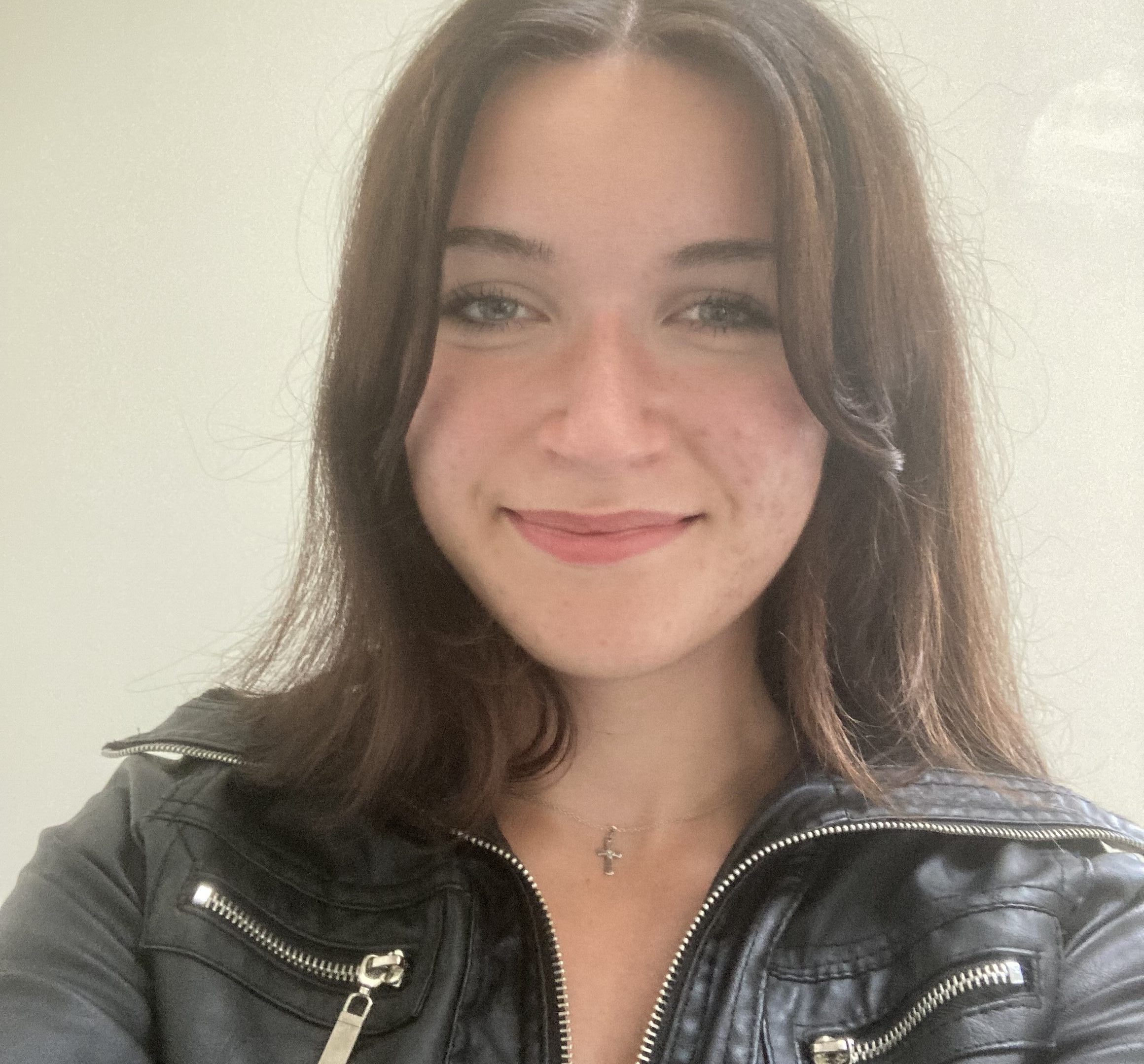
Abigail Lagueux, a sophomore engineering student from Grand Blanc who plans to pursue environmental engineering through the Ann Arbor transfer program, will work with the Michigan Environmental Justice Coalition in southeast Detroit. The organization helps residents understand their rights and challenge unjust utility practices. “It honestly sounded like a dream, getting to meet people in the climate space, helping communities in Michigan and gaining professional experience.,” said Lagueux. ”I thought I was too young, inexperienced and not educated enough to make an impact, but the fellowship is proving me wrong. I hope to use this helping hand to guide me to be more professionally successful and ultimately help me make lasting impacts now and in the future.”
Cathey said having UM-Flint students in the pilot cohort is significant for both the campus and the program itself. “As inaugural cohort members, our students have shown that they are leaders interested in making an impact, not just in the communities they will serve, but also in shaping this program for future UM-Flint students,” she said.
Learn more
Details regarding M-CCAF, including eligibility, application timelines and partner organizations, are available on the Graham Sustainability Institute website.
UM-Flint students interested in applying to future cohorts or exploring other sustainability opportunities can connect with the Planet Blue Ambassador program and Cathey through UM-Flint’s sustainability webpage or social media.