UM-Flint nursing student Mack reflects on altruistic kidney donation
More than 100,000 people in the United States are currently waiting for life-saving organ transplants. In efforts to bring awareness to this critical need for organ and tissue donation, Donate Life America created National Donate Life Month in 2003 and now, each April is dedicated to increasing the number of registrants, honoring donors and celebrating the many lives saved through transplantation. One of the most powerful ways to help meet this need is through living donation, which can offer patients a life-changing option without waiting years for a deceased-donor match.
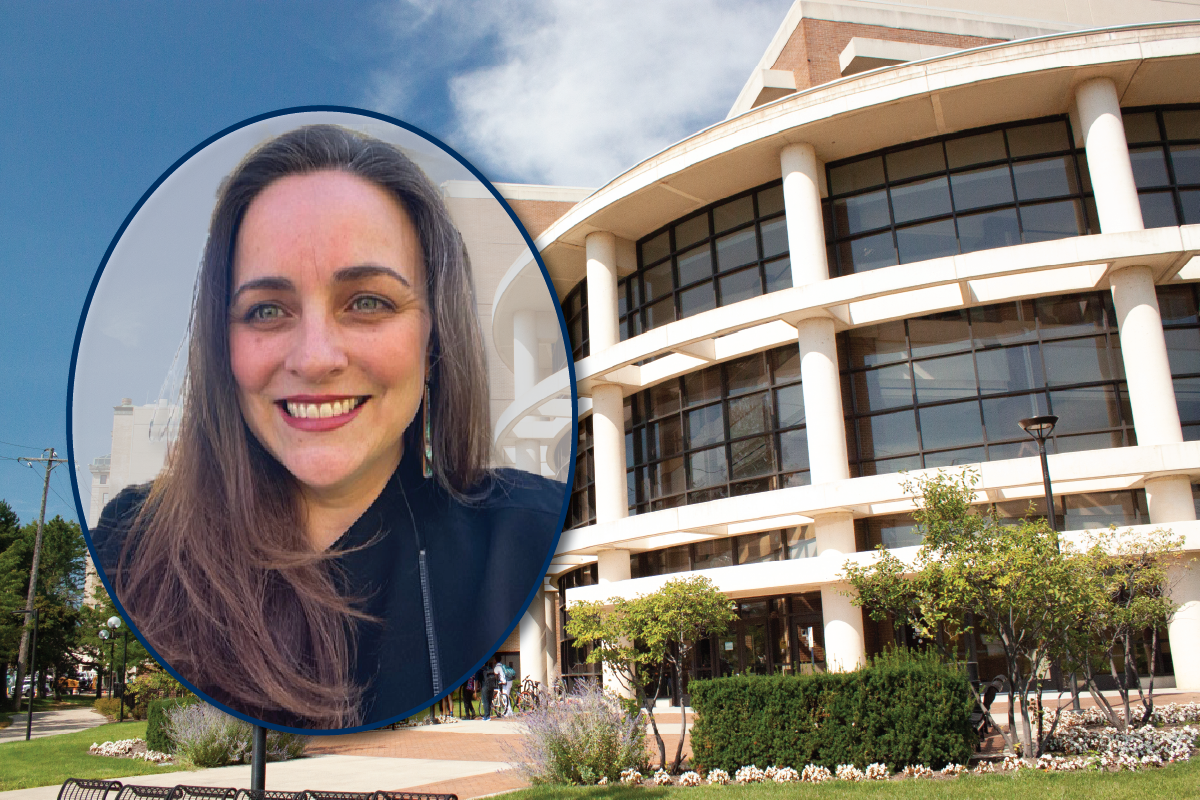
Natalie Mack, a Doctor of Nursing Practice student from Taylor, made the decision to become a non-directed, or altruistic, living kidney donor. Her donation not only transformed a life but also illustrates how everyday people can make an extraordinary impact.
Giving the gift of life
It was July 2016. Mack was living and working in New York City as a vice president at LiveOnNY, a nonprofit organization that facilitates organ donation and transplantation in the greater New York City area. By this time in her life, Mack had considered living donation for more than 12 years after having initially felt the desire while applying to work with the Washington Regional Transplant Community.
Mack's various roles throughout her career had given her a front-row seat to the urgent need for transplants and the life-changing outcomes donation can create. But it also left her with a persistent feeling that she wanted to help in a way that went beyond her work."I had all this experience that really helped frame my interest and motivation to move forward," she said.
A conversation with a colleague about how difficult it can be to encourage donation, especially in diverse communities where trust and access to information vary, made the decision feel more immediate. When someone close to her professional circle shared a personal connection to the need for a transplant, Mack decided to lead by example.
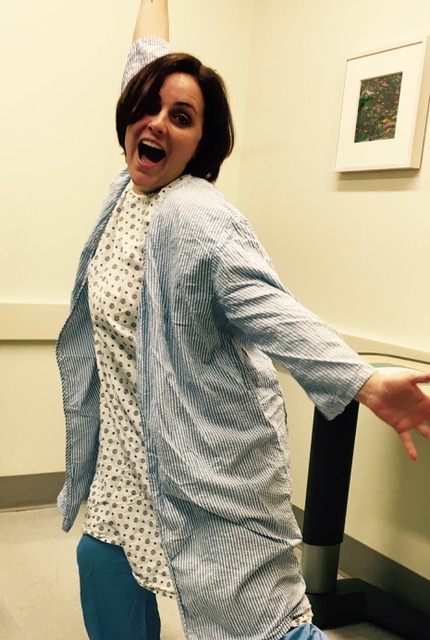
She pursued non-directed living donation, meaning she was evaluated and approved to donate without naming a specific recipient. In some cases, non-directed donation can start a chain that helps multiple people receive transplants. Mack began that process, and although the initial chain didn't come together as planned, her kidney ultimately went to an Ohio resident who was unknown to her – a person she may never meet, but whose life was changed all the same.
Finding purpose through uncommon means
Not everyone understands the decision to be a living donor, and that is okay, according to Mack. "The most important thing is ensuring potential donors know the related risks and that their decision is free of external influence," she said. For Mack, the best way to describe what she felt was a calling she couldn't ignore – grounded in access to accurate information, a deep respect for the process, and trust built through years of working alongside donation and transplant professionals. While Mack's family had understandable concerns about her health and long-term well-being, her response remained consistent: it was her informed choice and aligned with her values. "I thought, 'This is something that you're doing that's really shaping the person you are.' And I was proud," Mack said.
In 2017, Mack published an article in the American Journal of Critical Care reflecting on her experience as a non-directed kidney donor. Years later, while taking a pathophysiology course, she shared that article with Margie Murray-Wright, UM-Flint clinical assistant professor emerita, which opened the door to deeper conversations about kidney donation, motivation and how lived experience can strengthen education in the realm of organ procurement.
From donation to nursing
After donating, Mack continued her work in New York for another year and a half before moving to Michigan. "When I moved here, it was an opportunity to just kind of take a pause in that space and reinvent myself in a second career as a nurse," she said. Mack is now completing her DNP and feels a greater need than ever to help people. "I feel now, with being a nurse, there's a consistency in wanting to leave the world a better place," Mack said. The same meaning and purpose she found in 2016 through living donation is the same fulfillment fueling her endeavors today. "It is by far one of the things I'm most proud of. I have a lot of gratitude for the opportunity to have been able to do that."
Learn more
During Donate Life Month, Mack says the story feels even more personal, like becoming "a member of this club." She's also clear that awareness alone isn't enough, as organ donation still sits alongside real barriers, including mistrust and cultural concerns that deserve to be named and addressed with honesty and care. "Encouraging people to take action in organ donation is sometimes pretty complicated; there are a lot of varying understandings about what organ donation is, both in the deceased donation space as well as the living donation space," said Mack.
For anyone who feels "donation-curious," her advice is to start local and start informed by reaching out to local organizations and transplant centers to begin the conversation, exploring the National Kidney Registry's FAQs, and connecting with organ procurement organizations to speak with people who have lived experience. "Even one question can be a first step toward clarity, trust and the kind of gift that can change lives," said Mack.
Those interested can learn more at giftoflifemichigan.org/.
Kendal Davis
Kendal is a communications specialist with the School of Nursing. She can be reached at daviskmd@umich.edu.