UM-Flint to host Inclusive History Project Summit, March 27
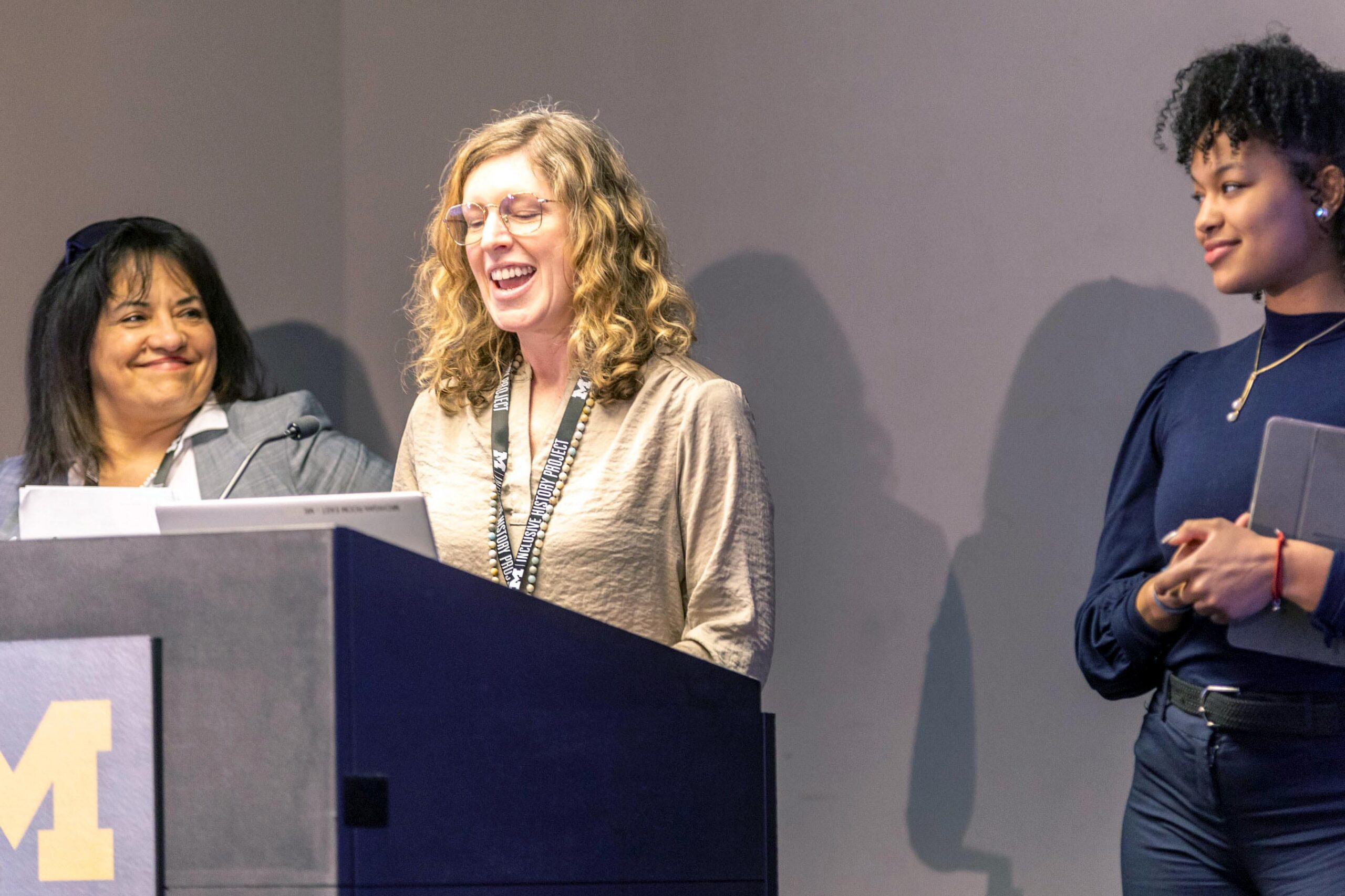
The Inclusive History Project is hosting its annual summit, March 27, at the University of Michigan-Flint's Harding Mott University Center. The day-long event will bring together members of the university community, alumni and community members to explore the University of Michigan's histories of inclusion and exclusion.
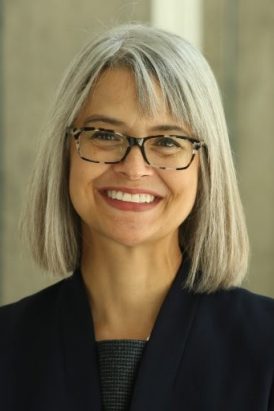
"This year marks the midpoint of the IHP's current five-year phase, and the summit offers the opportunity to share the compelling work we have been pursuing across our three campuses to enrich and deepen our understanding of the university's full history," said IHP co-chair Elizabeth Cole. "It also allows us to look ahead to the work remaining."
Cole is a University Diversity and Social Transformation Professor; professor of psychology, of women's and gender studies, and of Afroamerican and African studies at UM-Ann Arbor's College of Literature, Science and the Arts; and director of the Phillip J. Bowman Center for Scholarship to Practice.
Programming will run from 9:30 a.m. to 5 p.m., with an afterparty to follow. Breakfast, lunch and snacks will be served. The summit is free and open to all, with registration requested.
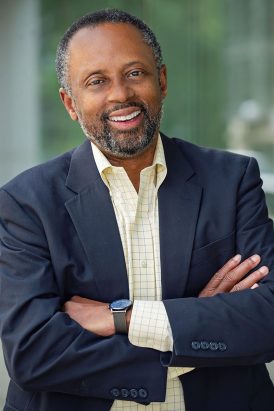
The summit will open with a panel discussion titled "Whose History, Whose University? Power, Memory, and Narrative," which will be moderated by IHP co-chair Earl Lewis. The discussion will highlight some of the large-scale research projects IHP is leading on the Flint, Dearborn and Ann Arbor campuses, which move beyond the traditional origin stories that many university history projects focus on.
Lewis is the Thomas C. Holt Distinguished University Professor of History, Afroamerican and African Studies and Public Policy; professor of history, and of Afroamerican and African studies in LSA; professor of public policy in the Gerald R. Ford School of Public Policy; and director of the Center for Social Solutions.
A roundtable will explore the history and impact of urban renewal in Flint and how it affected UM-Flint's move to its downtown campus. Summit attendees will also have the chance to view the IHP exhibit "Blueprints of Power: The University and Urban Renewal in Flint," which is on display at the UCEN through March 27. Callum Carr-Marquis, associate archivist and head of archives at the Frances Willson Thompson Library, and Benjamin Gaydos, professor of communication and visual arts, lead the exhibit and will participate in the roundtable.
In a series of afternoon lightning talks, students, community members, faculty and staff will share the work they are pursuing through the IHP across the university's campuses. The day's programming will conclude with a spoken word performance by poet, activist and Flint native Shea Phire Cobb.
The summit will also feature a community tabling fair and a guided history tour of UM-Flint's student support services centers, which are the focus of one of the IHP's research projects. Hands-on workshops and activities will take place throughout the day, including button-making with Flint artists, a video booth where people can share their U-M stories, and an interactive photo mural conceptualized and led by the IHP Student Advisory Committee.
A detailed schedule for the summit can be found on the IHP website.
Jennifer Brady
Jennifer Brady is the managing director of the University of Michigan's Inclusive History Project.