Cross-cultural COIL project brings international experience to UM-Flint students
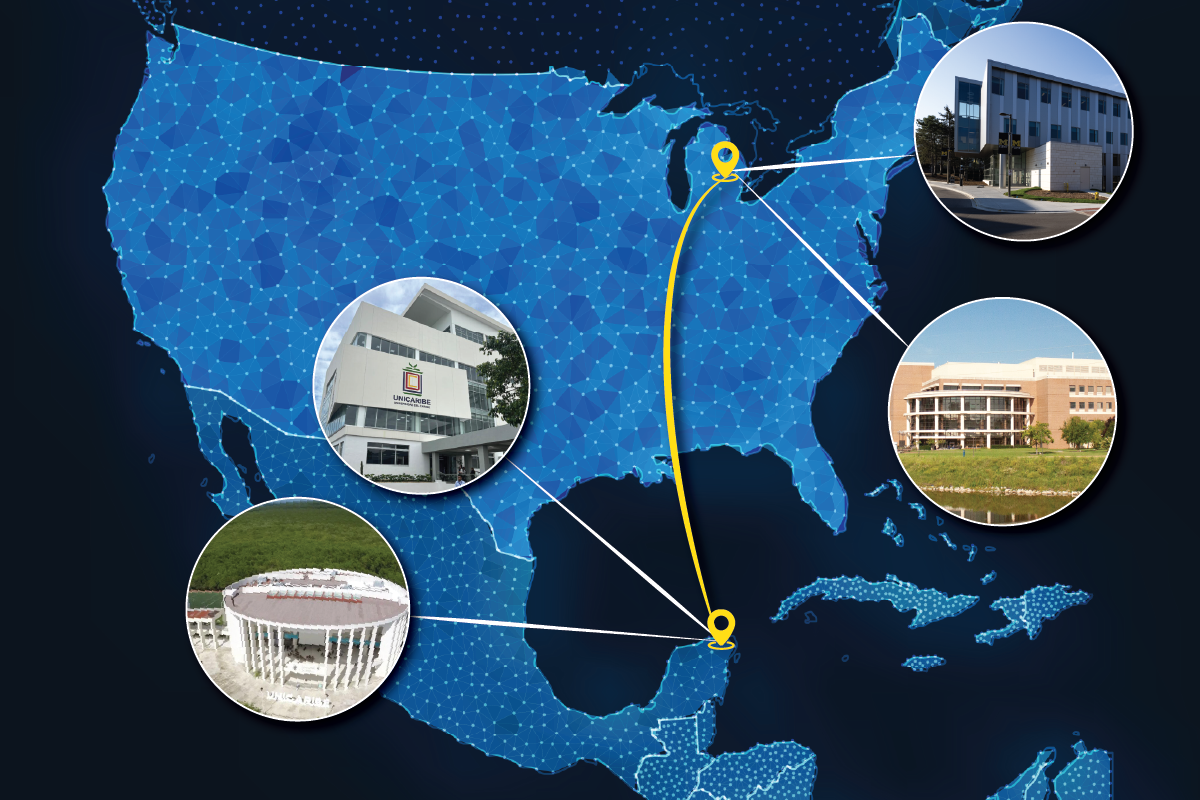
Mathew Varghese never expected his public speaking class to change his perspective on an entire country. The first-year data science major from Namibia came to the University of Michigan-Flint to combine his passions for programming, mathematics and health care. But when his COM 210 course included a Collaborative Online International Learning project partnering with students in Mexico, he discovered something unexpected.
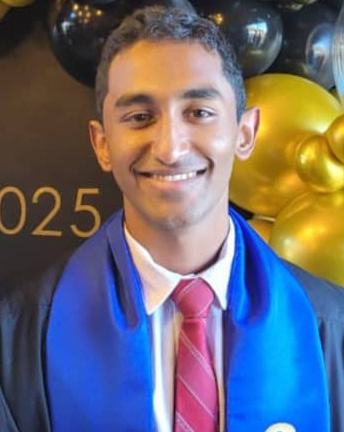
"I learned about Mexican culture, particularly about the beautiful city of Cancun," Varghese said. "In fact, as a result of this project, I am looking forward to exploring Cancun in the future."
For UM-Flint students juggling work schedules, family responsibilities and financial constraints, traditional study abroad programs may not fit with their life circumstances. But through innovative collaborations like COIL, faculty are finding ways to bring global experiences directly into their classrooms.
Kimberly Laux, an academic advisor and lecturer in the Communication Studies program who teaches at both UM-Flint and Mott Community College, first encountered COIL while teaching at MCC. After successfully running a project there, she wanted to extend the opportunity to UM-Flint students.
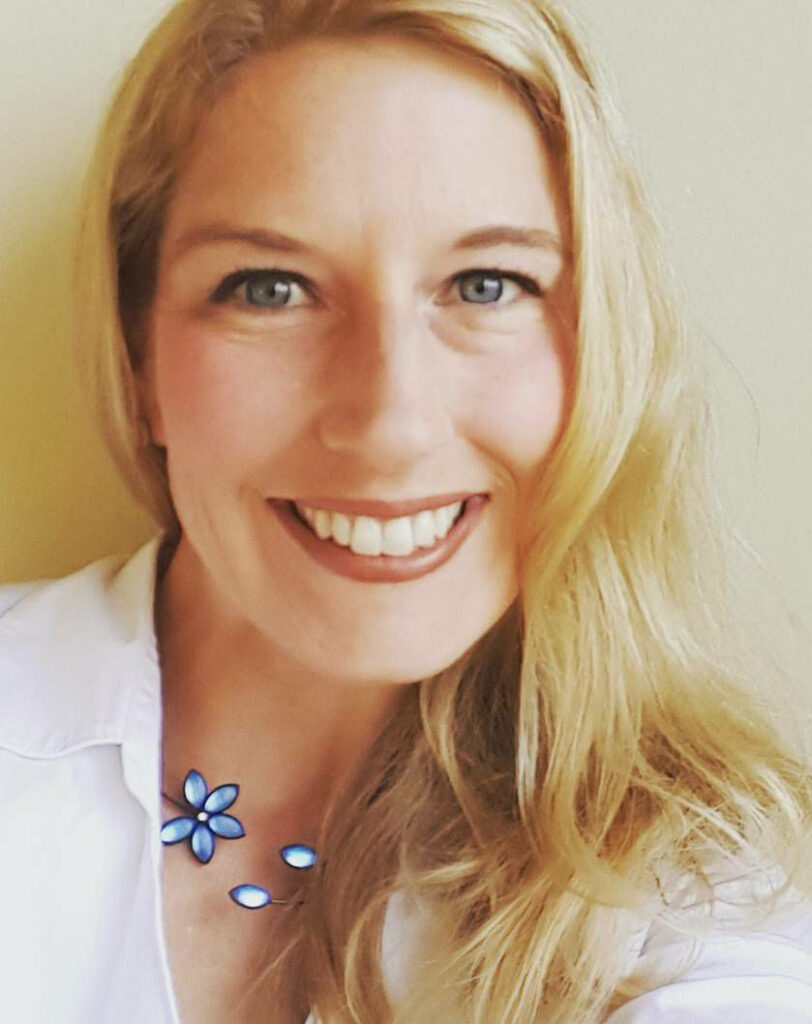
"While I was a student in the Honors Program at UM-Flint, I was fortunate to take part in an off-campus study and internship in England. Traveling abroad was a pivotal experience for me–it helped me become more self-reliant and confident, and it gave me hands-on international exposure in my field of communications," Laux said. "I took so much away from that immersive experience that I wish every one of our students could study abroad, but I realize some are not able to do so due to cost, work schedule and other commitments. This project is a way to bring a bit of that intercultural experience into the classroom."
During the fall 2025 semester, Laux partnered with Grace Ramirez, professor of English at the Universidad del Caribe in Mexico, to run the project in her public speaking course. Students from both countries were divided into international groups, completed icebreakers through video introductions and ultimately created group presentations centered on the United Nations' Sustainable Development Goals.
The collaboration between Laux and Ramirez proved essential to the project's success. As COIL coordinator at Universidad del Caribe, Ramirez was impressed by the partnership.
"We're always in touch and very collaborative, even though we have classes on different days," Ramirez said. "We're both very focused on student success, which makes the collaboration easier for us and more supportive for students."
Ramirez particularly praised Laux's flexibility and adaptability. "She's very responsible, committed to her work and her students," she said. "She's also proactive. I really enjoy working with her."
For Gabriella Nemer, a human biology sophomore from Flushing taking the class as a general education requirement, the project opened her eyes to unexpected similarities.
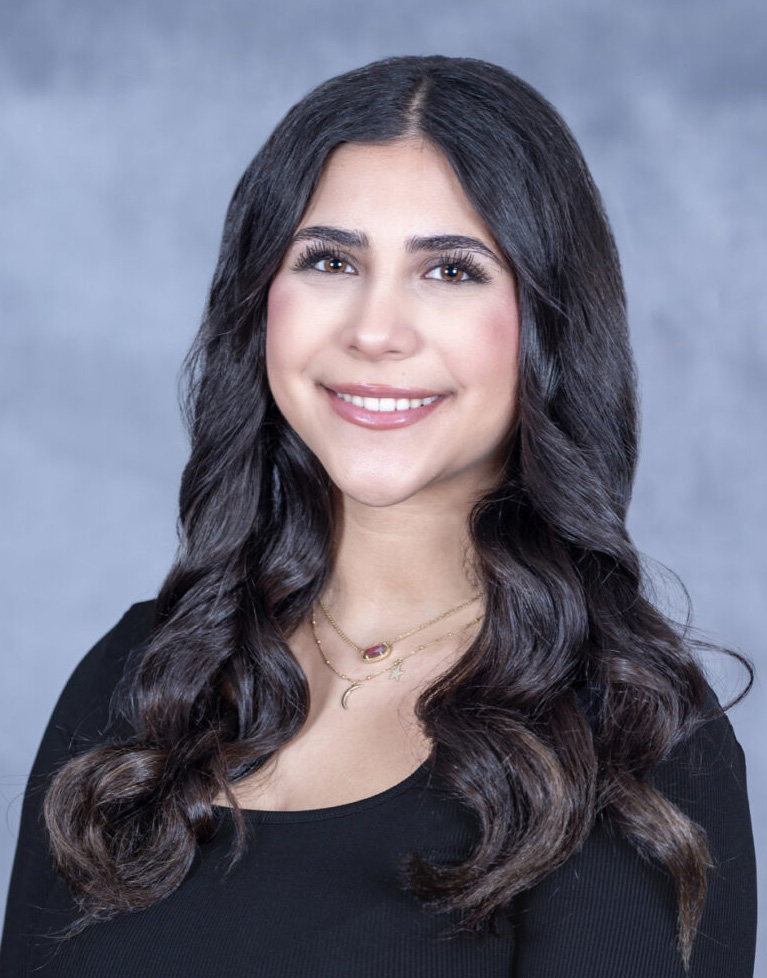
"I went into it thinking this is going to be so difficult, we're nothing alike," Nemer said. "But I think it's important because you learn how similar we truly are—we got to know the students, learned about their day-to-day lives compared to ours. It wasn't very different, which was surprising."
The experience wasn't without challenges. Language barriers required creative problem-solving, with some groups shifting to text-based communication. Time zone differences meant students had to coordinate carefully or work asynchronously.
But those obstacles became learning opportunities. "It was valuable to learn how to work around things like that, to improvise," Nemer said. "It's important to think that way and work around the barriers."
For Nemer, who plans to pursue a career in health care, the cross-cultural communication skills proved especially relevant. "In any health sciences field—biology, chemistry—you get all sorts of different kinds of people coming in that you'll be working with," she said. "You need to learn how to give healthcare to all sorts of people."
Varghese found similar professional value in the experience. While working with three Mexican students and four UM-Flint students on a group presentation on the Sustainable Development Goals, he discovered the critical importance of effective communication.
"Even with the language barrier, they had impressive ideas," Varghese said. "I found it interesting how important effective communication was— it's somewhat undervalued sometimes, but now I see what a huge difference it can make."
The public speaking techniques he learned have already extended beyond the classroom. As a member of the UM-Flint Student Government, Varghese now regularly delivers speeches and advocates for student needs.
"One of my big takeaways was the importance of public speaking," he said. "As a data science major, diction and language aren't often my focus, but if I need to advocate for myself, tell my professor if I have issues, or lead organizations and teams, effective wording matters. Public speaking, regardless of your domain and interest, is essential."
He's also applying those skills as a member of the Block Club, a new organization dedicated to helping the public in Flint through partnerships with the Department of Public Safety and community engagement initiatives.
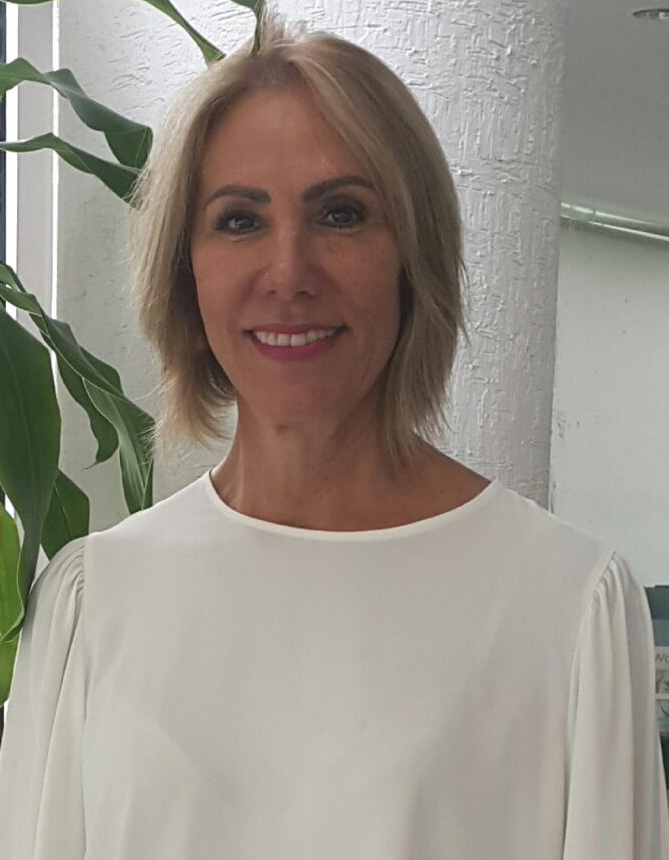
From Ramirez's perspective in Mexico, the project serves multiple purposes for her business students' English learning. Beyond language practice, it provides crucial exposure to culture.
"Most of my students' travel experience is limited—most of them haven't gone out of the state, let alone the country," Ramirez said. "This experience helps them broaden their minds and break stereotypes. They realize students are students wherever they are. Most work and study, live with their parents—it's a similar life experience."
For Varghese, who moved from Namibia to Michigan for college, that message resonated deeply. "UM-Flint has the capacity to foster a community of international learners and explore the difference between other cultures and what unites us as people," he said.
Related Posts
UM-Flint's "Cracks in the Pavement" Symposium brings the community together to showcase Flint's civic empowerment
UM-Flint professor's Fulbright experience advances student-centered teaching in Namibia
UM-Flint receives $50K grant from the Priority Health Total Health Foundation to support students, new mothers
- College of Arts, Sciences & Education
- Communication Studies
- Community
- International
- University Outreach

Kat Oak
Kat Oak is the communications specialist for the College of Arts, Sciences, and Education. She can be reached via email at katheroa@umich.edu.