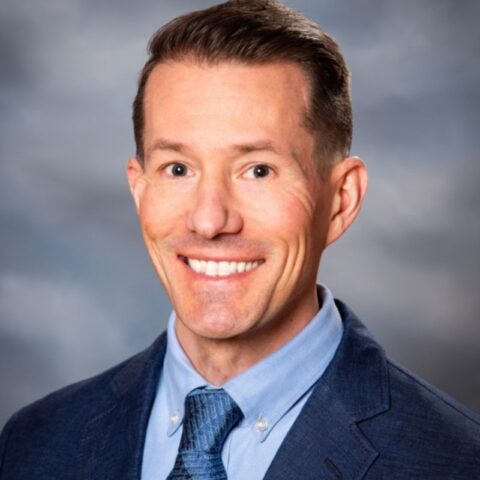
Yener Kandogan named dean of UM-Flint's School of Management
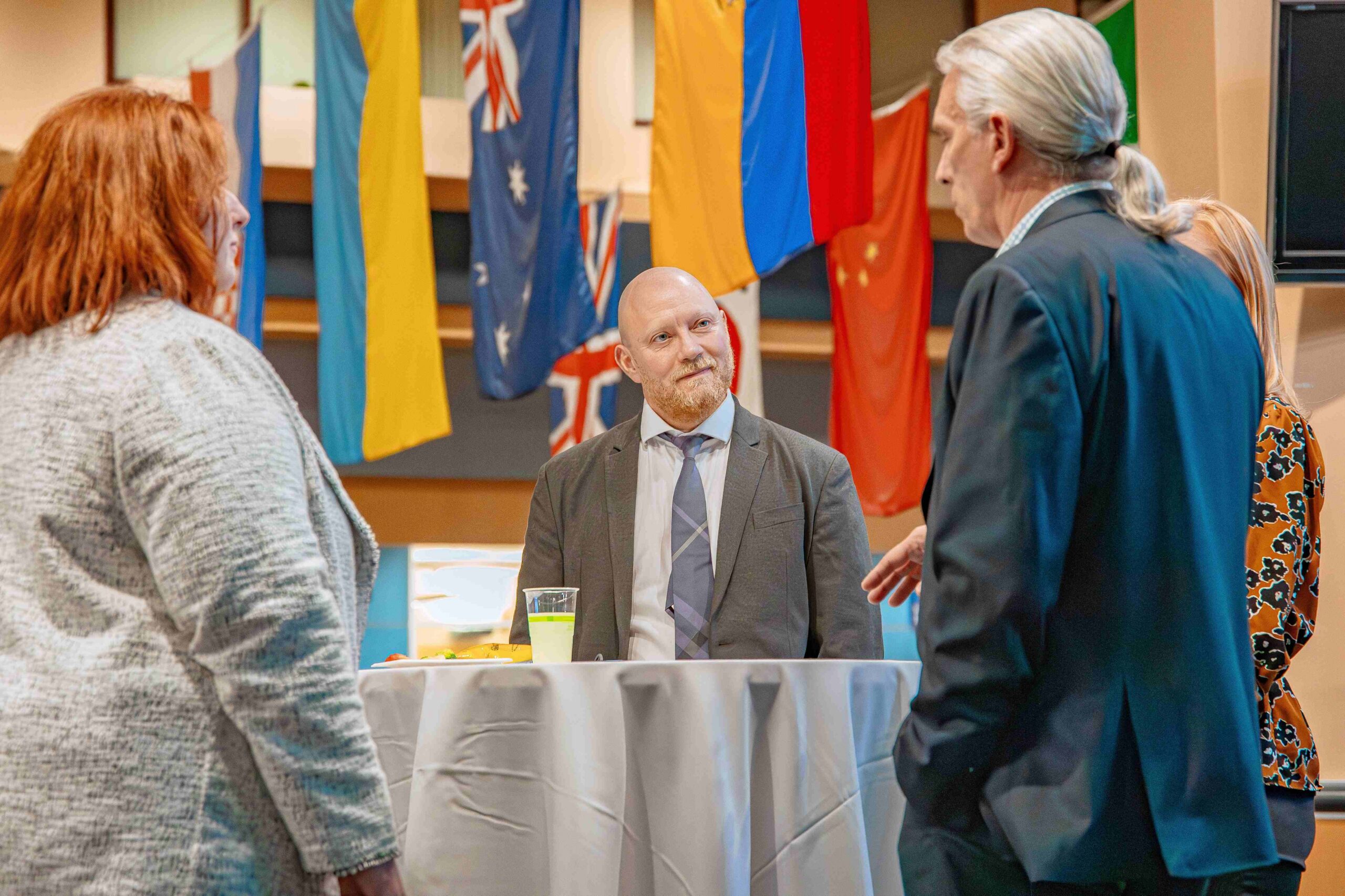
The University of Michigan-Flint has promoted Yener Kandogan to dean of its School of Management, pending approval by the U-M Board of Regents. If approved, his first day would be March 1, at which time he will become the 10th dean in the school's history.
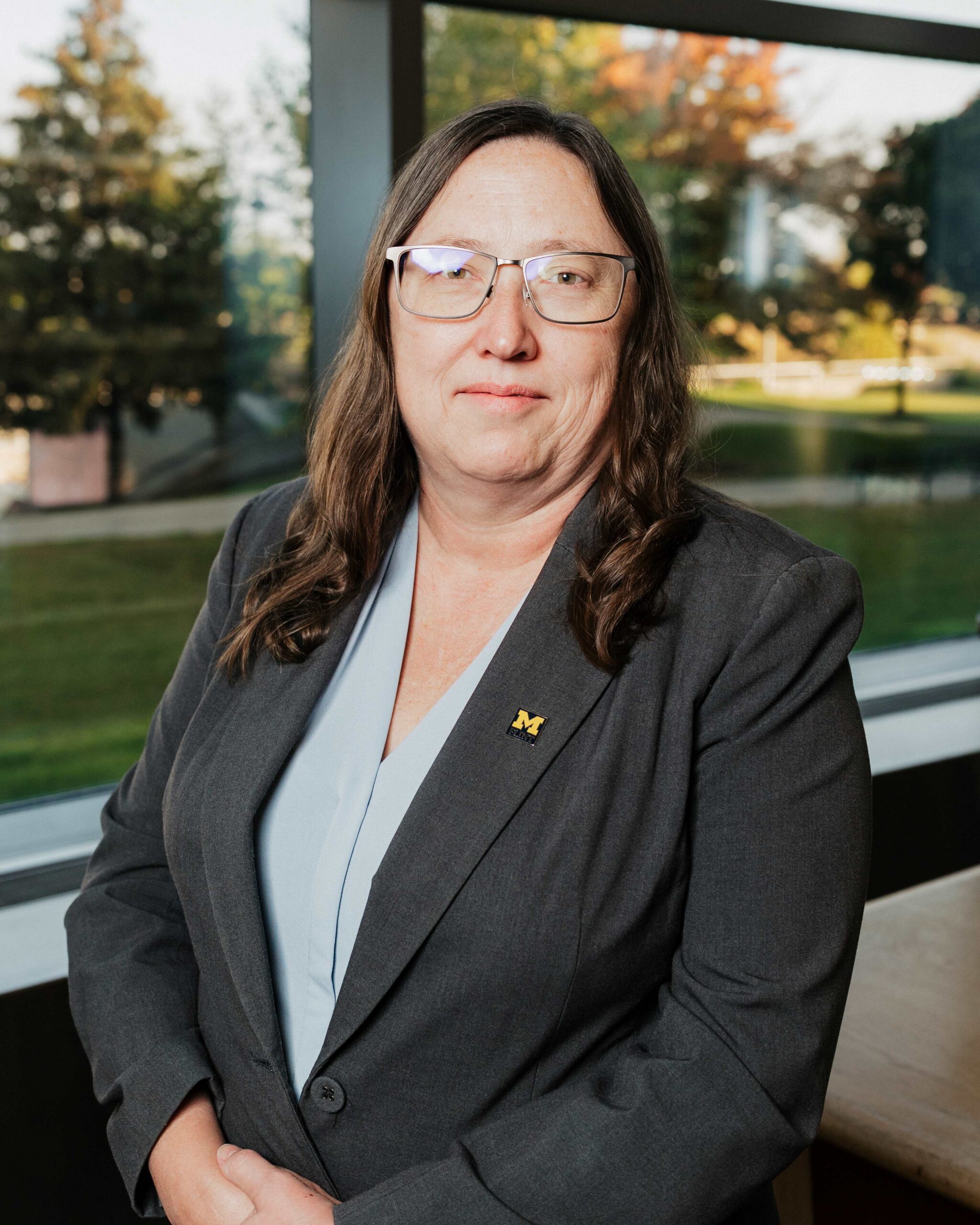
"I believe that Dr. Kandogan is the right person to carry on the school's mission in cooperation with the members of SOM and community partners," said Abby Parrill-Baker, UM-Flint provost and vice chancellor for academic affairs. "Under his leadership, SOM has reversed a multi-year enrollment decline, grown enrollment by more than 50% in four years and achieved the highest credit hour production in the school's history."
Kandogan has served as interim dean of SOM for approximately four years. He previously held the role of associate dean from 2007 to 2022. He joined UM-Flint in 2002 as an assistant professor of business economics before turning his academic focus to international business, which he has taught since 2006. Kandogan earned his doctorate in economics from U-M in 2001.
Impact on enrollment
During the fall 2020 semester – the first months of the COVID-19 pandemic – 931 students were enrolled at SOM. These students consisted of 656 undergraduate and 275 graduate students. Of these students, approximately 8% resided outside the state. In response, Kandogan and others worked to align the school's degree programs with industry needs and provide greater flexibility to working professionals.
Students have responded.
As of the fall 2025 semester, more than 3,000 students were enrolled at SOM. That number consisted of 2,347 undergraduate students, 602 graduate students and 72 doctoral candidates. Of that group, one-third reside outside the state.
A leading reason for SOM's enrollment growth is the appeal of its online Bachelor of Business Administration degree program. U.S. News & World Report has ranked the program No. 1 in Michigan for five consecutive years. The magazine also ranked it No. 41 in the country in 2025.
Another reason for SOM's enrollment growth is Kandogan's creation of new transfer agreements with each of the state's community colleges, decreasing the barriers students face while transitioning to UM-Flint.
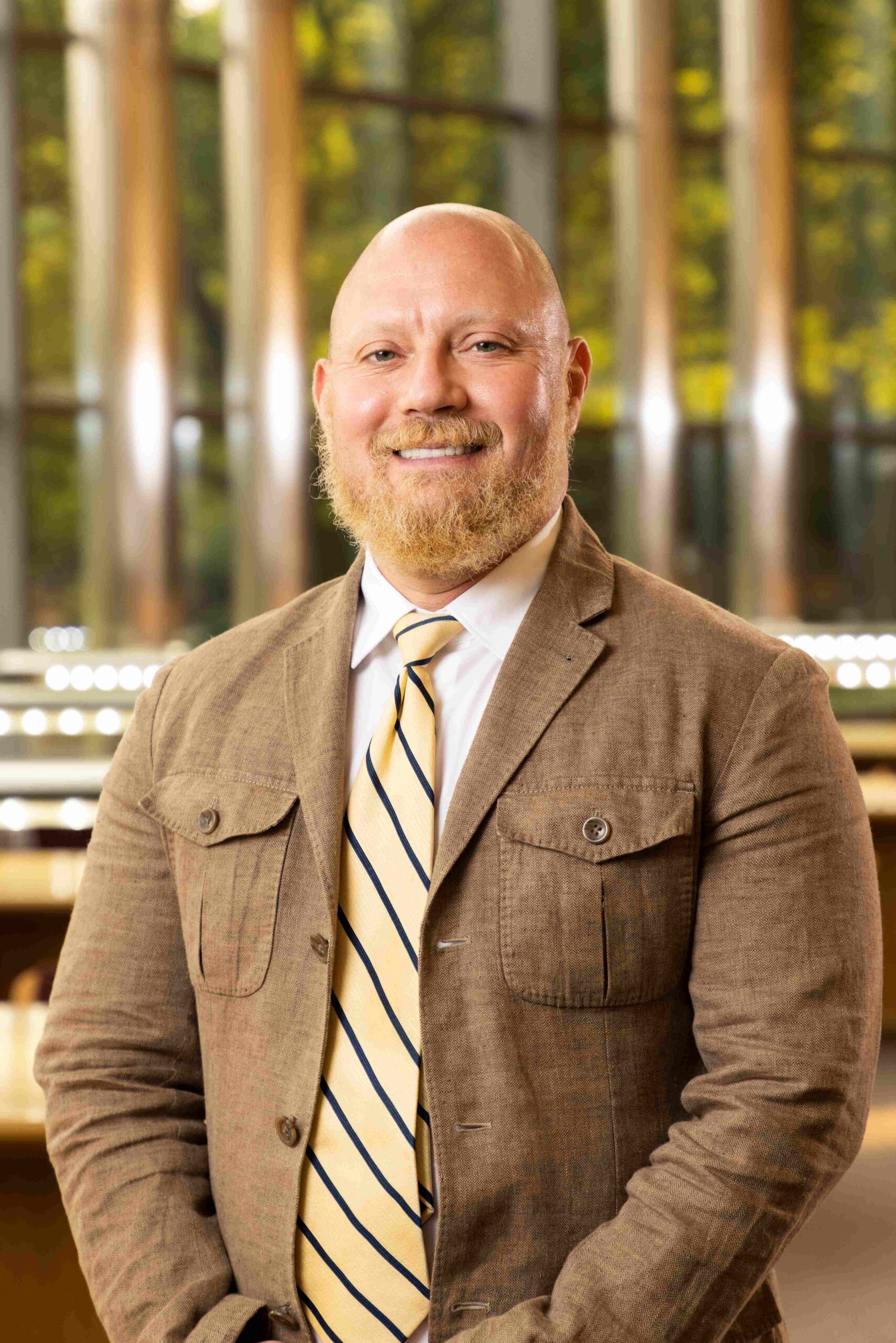
"It is now more important than ever that we engage not only high schools but also community colleges," said Kandogan. "This strategy of engagement carries through to UM-Flint, where we host many events to introduce students to alums, business executives, employers, entrepreneurs and mentors."
Challenges ahead
One challenge confronting Kandogan and SOM is a national decline in enrollment among first-time college students. This decline is partly attributed to lower birth rates, resulting in fewer high school graduates. It first began during the 2008 global recession, as young couples postponed having children, and it has yet to recover significantly.
Another trend Kandogan must counteract is declining demand for generalized degrees. Faculty have responded by offering four specialized master's degree programs. These programs include Accounting, Applied Finance, Leadership and Organizational Dynamics and Supply Chain Management.
SOM's history
UM-Flint has offered business courses since its inception in 1956. Its former Department of Business Administration offered these courses until early 1975, when the U-M Board of Regents voted to reorganize academic programs at the downtown campus. This vote established SOM and what was then the College of Arts and Sciences as of July 1 of that year. Fifty years later, SOM marked its golden anniversary by hosting a series of events during the 2024-25 academic year.
The Association to Advance Collegiate Schools of Business first accredited SOM in 1992. Kandogan and his colleagues have maintained this status three times, in the midst of evolving standards.
The mission of UM-Flint's SOM is to provide innovative, high-quality business programs to career-minded students seeking flexibility in their education. Its faculty and staff:
- Transform students' lives and contribute to the economic development of their communities.
- Spur innovative thinking and action in students.
- Engage with businesses in the region.
- Create intellectual contributions that impact business theory and practice.
- Operate in a sustainable manner that recognizes the importance of the school's diverse stakeholders.
For more information about SOM, visit the school's webpage.

Shaun Bailey
Shaun Bailey is the communications specialist for the School of Management. He can be reached via email at shabaile@umich.edu.