UM-Flint Gilman Scholar Karlichek reflects on life-changing semester in Athens
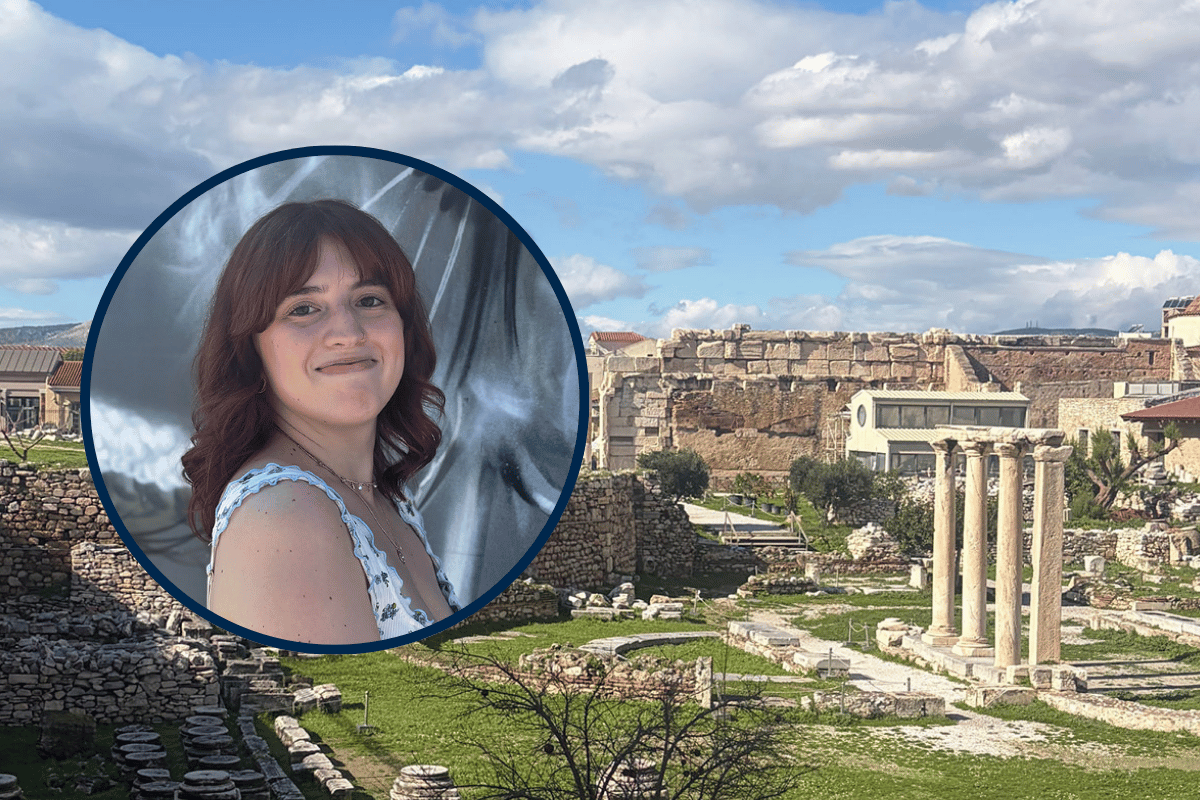
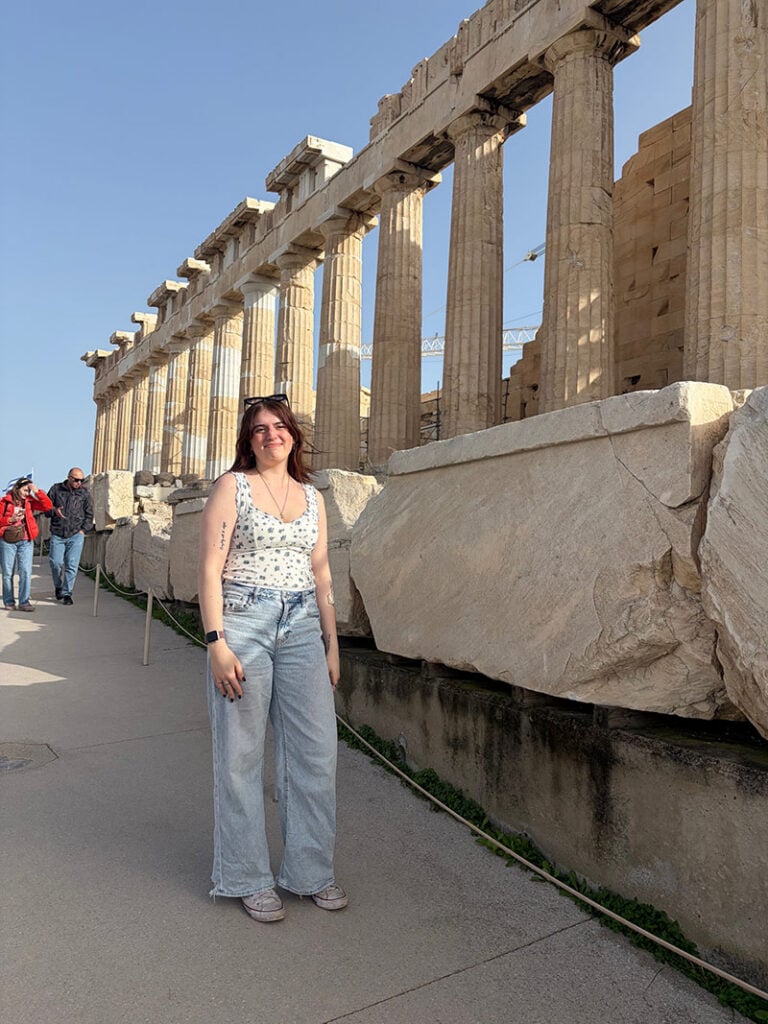
Six months ago, Breanna Karlichek's passport was blank. No country or territory names. No colorful stamps from any particular ports or points of entry. But now, she can tell you the best cafe in Monastiraki Square, the quickest way to squeeze a weekend in Malta between exams, and what it feels like to fall in love with screenwriting by accident — all from a semester in Athens she once wasn't sure she could afford.
Karlichek had never left the country before she landed at The American College of Greece for the winter 2026 semester. Now a senior English major, the Flushing native had lived at home throughout college, and the idea of moving across an ocean on her own could easily have felt out of reach. Instead, she describes it as one of the best decisions she made — proof, she said, of what happens when a University of Michigan-Flint student takes a chance and lets the right people help her figure out the rest.
Karlichek didn't have a study-abroad budget lined up before she decided to go. That led her to speak with Kristen Canavan, education abroad coordinator at UM-Flint's Center for Global Engagement, who told her about the Benjamin A. Gilman International Scholarship — a U.S. Department of State award for Pell-eligible students. Karlichek applied for and secured it despite the highly competitive process.
That kind of university-based support didn't stop once the scholarship came through. Karlichek said she would check in with Canavan throughout the semester whenever she needed anything, which took the financial and logistical stress off her plate before she even left. "That just made it a lot easier to enjoy myself and not worry about financial things," she said. For students who assume study abroad is only for those who can already afford it, Karlichek's path offers a way to broaden their college experience without breaking the bank.
One worry students sometimes have about studying abroad is whether they'll keep up academically or end up isolated in a bubble with other Americans. "I was surprised that the campus wasn't full of other foreign students like me, but that it was mostly Greek students, and so I was able to meet local people and build daily routines that had nothing to do with being a tourist," said Karlichek.
While studying alongside Greek students and culture, she appreciated that classes at The American College of Greece were taught in English and felt familiar to her learning experiences in the United States.
She took four classes — biological psychology, history of ancient Greece, criminology, and film adaptation — that all counted directly toward her degree, so she remained on track to graduate later this year. The film adaptation class became the surprise highlight: as an English major, she studied classic and modern movies alongside their scripts and found herself unexpectedly drawn to screenwriting. "I don't know if I'll pursue that as a path yet, but it definitely opened up a different perspective for me on potential career choices in the future," she said.
Living on her own for the first time — navigating a new city, managing her own schedule, holding herself accountable without the frequent check-ins she was used to — is what Karlichek points to as the real transformation. "It gave me a bigger sense of responsibility and independence," she said. The coursework itself leaned more heavily on lectures and exams than assignments, which meant she had to build new habits of self-discipline. She's carried both the confidence and the habits back to Flint.
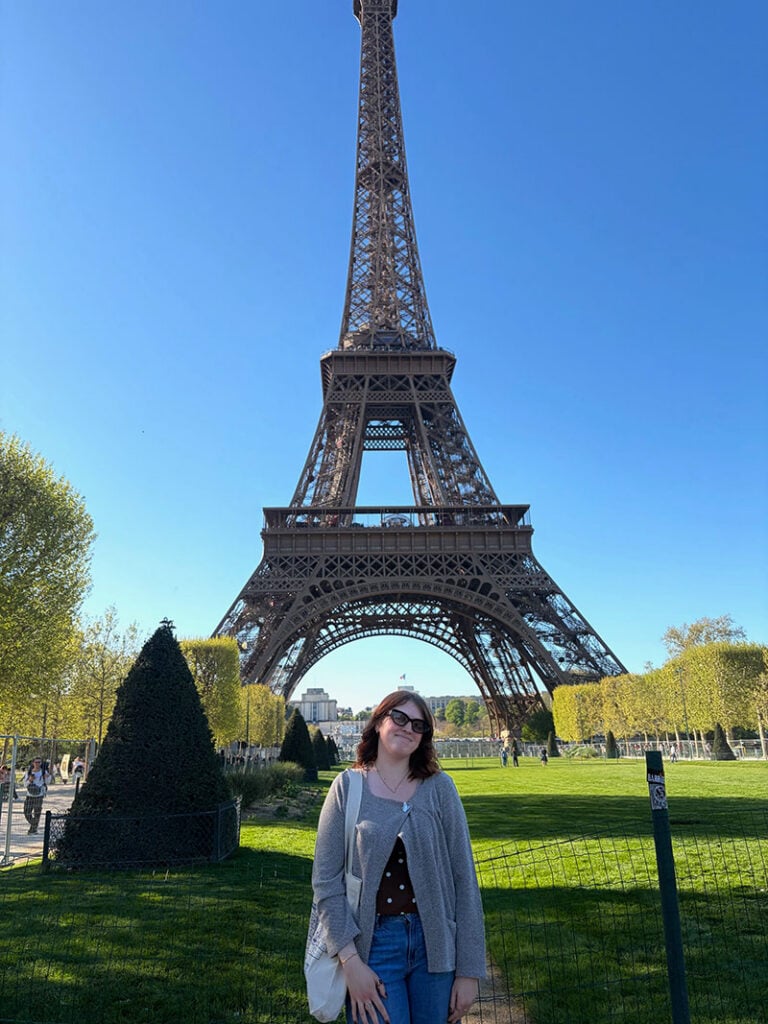
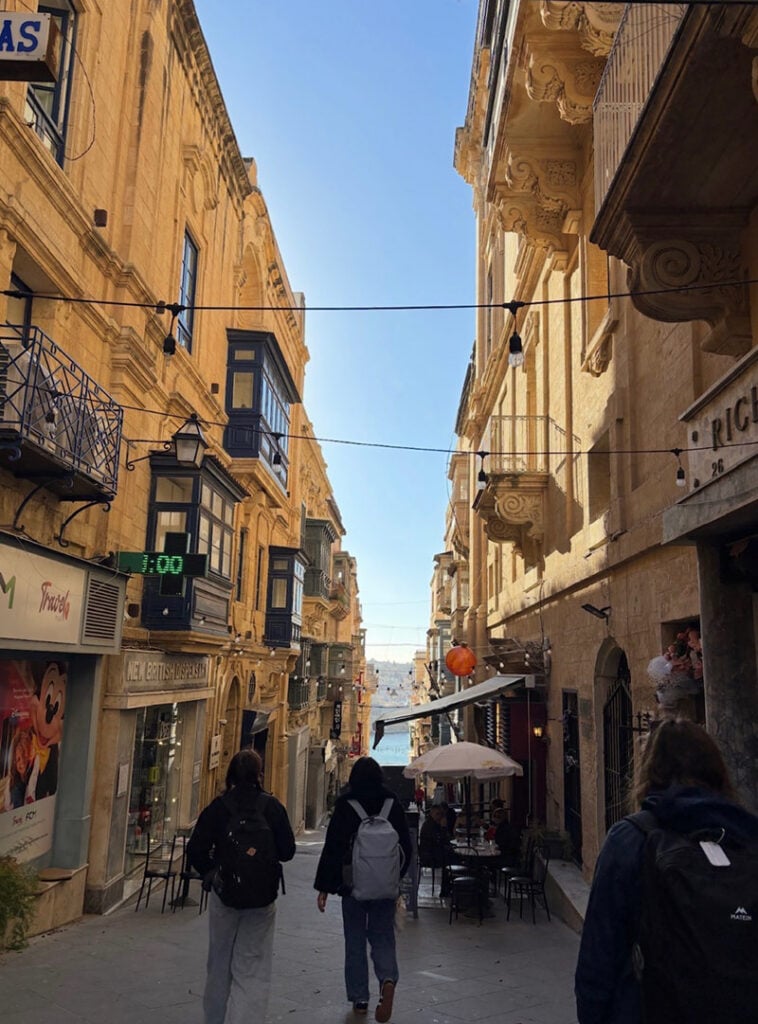
She also found an unexpected community. Fellow study-abroad students came from all around the U.S., and with long weekends free from classes, Karlichek and some new friends took off for day trips to Italy, Malta, and France. It's a reminder of something she wants other students to know: once you're there, Europe gets a lot smaller. "It's a lot easier to travel," she said. "Everything is so close together; just a short flight or drive turned my free weekends into adventures."
Karlichek expected some adjustment, and she got one — just not the jarring kind of culture shock she had initially feared. "I knew that it was going to be different, so it wasn't that big of a shock," she said. "I was able to adapt pretty quickly." The experience showed her what it's like to live inside a different culture rather than just visit one.
More than 75% of UM-Flint students who study abroad qualify for the Gilman Scholarship, but relatively few apply. Contact CGE for more information regarding the scholarship or study abroad opportunities.
Related Posts
Kat Oak
Kat Oak is the communications specialist for the College of Arts, Sciences, and Education. She can be reached via email at katheroa@umich.edu.