UM-Flint to screen Benton Harbor water crisis documentary, host panel with filmmaker and activists
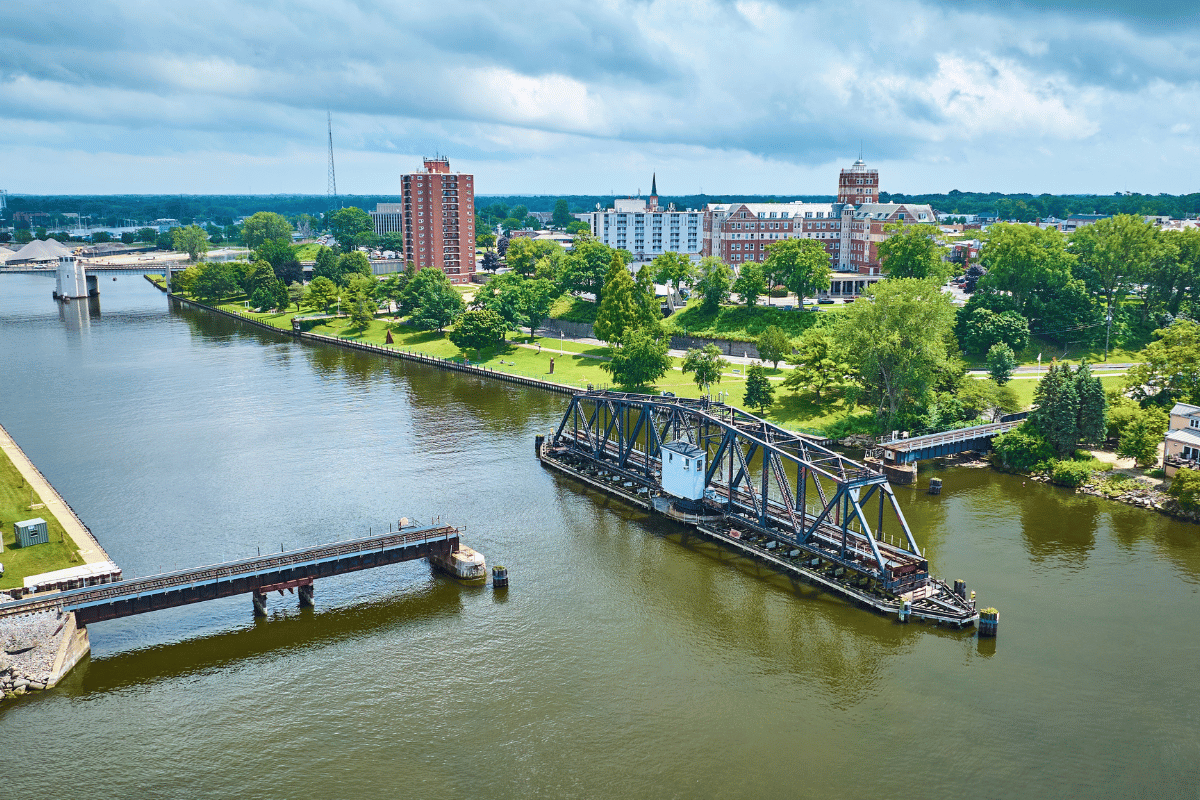

The University of Michigan-Flint will host a screening of the documentary, "A Benton Harbor Story," Oct. 13, followed by a panel discussion with the filmmaker and community members, connecting the water crisis in Benton Harbor to the one that unfolded in Flint. The event begins with dinner at 5 p.m., followed by the film at 5:30 p.m., in the Harding Mott University Center Kiva.
The documentary follows decades of disinvestment, failing infrastructure and state emergency management that set the stage for another water crisis in a predominantly Black Michigan city. It examines what happens when austerity policies come at the expense of public health and democracy, and how residents organized to fight for safe water, accountability and a voice in their own future.
The film asks a question that resonates beyond Michigan: Who bears the cost when democracy is set aside in the name of fiscal efficiency?
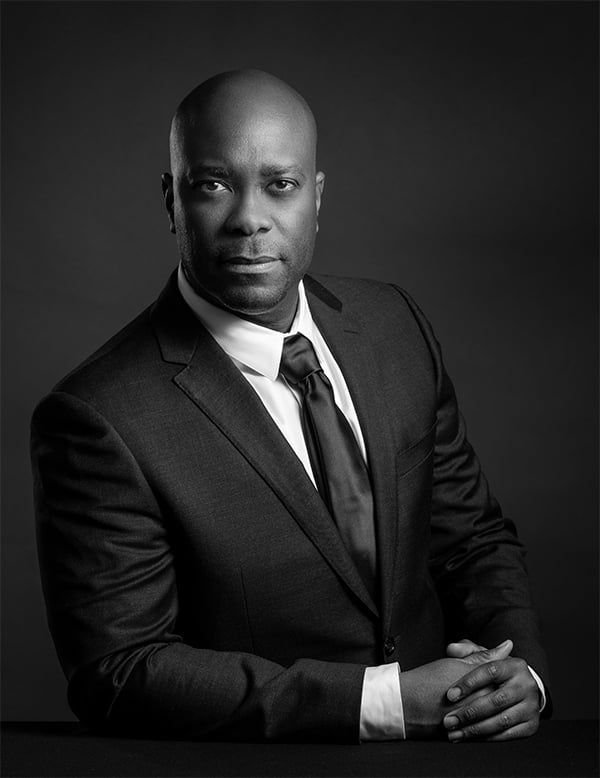
Filmmaker Cedric Taylor said the film departs from how the Flint crisis is often portrayed. "It's told as something extraordinary and spectacular," Taylor said. "This film, however, asks what happens when we recognize environmental harm as slow, ongoing and normalized.
"Flint and Benton Harbor are unique but share themes concerning race, attacks on democracy, and community organizing. A screening here is meaningful because it is an opportunity for us to reckon with shared struggles, but also consider how larger patterns behind these crises have dire consequences for us all."
Taylor is a filmmaker and sociology professor at Central Michigan University. His documentary and scholarly work focus on environmental justice and racial health disparities. He also directed "Nor Any Drop to Drink: Flint's Water Crisis" and is the author of the forthcoming book, "Storytelling and the Fight for Environmental Justice in the USA."
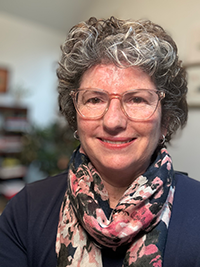
Jennifer Alvey, associate professor of anthropology, and Emily Feuerherm, professor of linguistics, co-organized the event and regularly collaborate on research related to Flint's immigrant communities.
"We were inspired to hold this event because of our research collaboration with Dr. Taylor over the summer," Alvey and Feuerherm said in a joint statement. "He previously worked with a group of immigrant women and us on a collaborative filmmaking project, which we are proud to say is being added to the UM-Flint archives. We learned that this, his most recent documentary, had just been completed, and we felt it was important to hold a screening and discussion here in Flint."
Both Alvey and Feuerherm share a deep appreciation for storytelling's centrality to the human experience. "Film is an especially impactful medium for storytelling because it combines words and visual images and really draws people in, allowing audiences to feel directly connected to and even part of the story, and perhaps as a result, more prepared to act toward change."
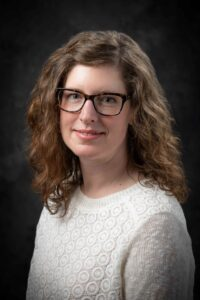
"We hope that people who attend this event learn more about how crises, such as the water crises in Benton Harbor and in Flint, are created and experienced, how and why they should be addressed with restorative justice and equity in mind, and how we can work together to change our social systems so that these sorts of injustices don't continue to occur," the pair shared via the statement.
About the Panelists
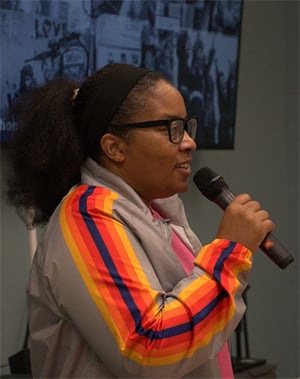
Following the film, Taylor will be joined by three community members — Nayyirah Shariff, Claire McClinton and Rev. Edward Pinkney.
Shariff is a storyteller, fiber artist and grassroots organizer based in Flint. They co-founded the Flint Democracy Defense League, a grassroots group formed in 2011 to confront Flint's emergency manager, and are the founding director of Flint Rising, a coalition of residents, community groups, labor and progressive allies formed after the city's emergency declaration regarding its drinking water. Shariff has more than 25 years of experience organizing electoral and issue campaigns and has led state and national efforts to change the federal Lead and Copper Rule and to expand equitable water infrastructure funding.
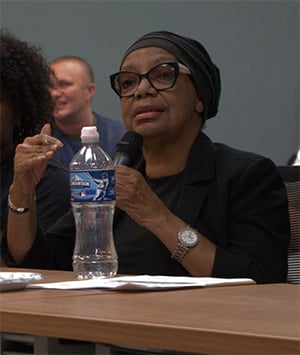
McClinton was born and raised in Flint and is a retiree of General Motors, where she held various positions with United Auto Workers Local 659. Her activism has included advocacy for the homeless and for welfare rights. She has led the fight for clean, toxin-free water as a human right and is a member of the Democracy Defense League Water Task Force.
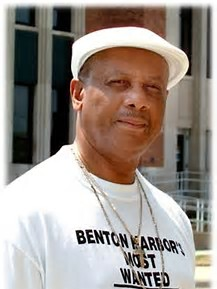
Pinkney is a civil rights activist and community leader from Benton Harbor, where he pastors God's Household of Faith. He founded the Black Autonomy Network Community Organization in 2003 and later established the Benton Harbor Community Water Council, where he serves as president. The council helped draw attention from the Environmental Protection Agency and national media to the city's lead crisis in 2021, leading to the replacement of the city's lead pipes. Pinkney's church distributed more than 400,000 cases of bottled water and served as an educational space for residents about the dangers of contaminated water. He has spoken at more than 30 universities.
The event is sponsored by the College of Arts, Sciences & Education; the Department of Language & Communication; the Department of Sociology, Anthropology & Criminal Justice; the Intercultural Center; Planet Blue Ambassadors; Wolverine HOPE; and the King Huerta Hood Parks Initiative. The Mellon Grant's Cracks in the Pavement program also provided funding.


- Anthropology
- College of Arts, Sciences & Education
- Community
- English
- University Events
- University News

Kat Oak
Kat Oak is the communications specialist for the College of Arts, Sciences, and Education. She can be reached via email at katheroa@umich.edu.